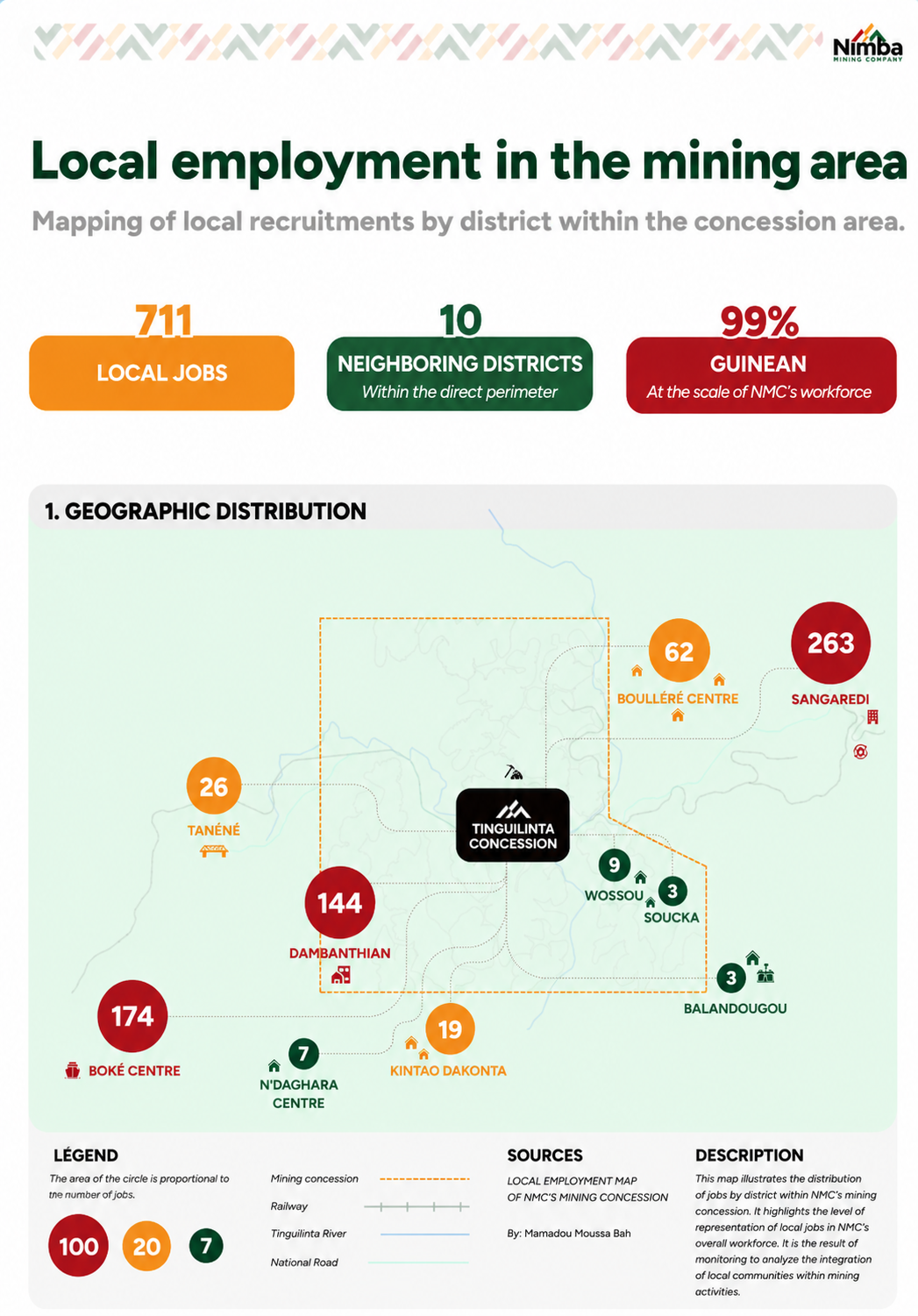

Nimba Mining Company is 100 percent owned by the Republic of Guinea. This status establishes a simple requirement: what the company extracts from Guinea’s subsoil must translate into jobs, skills, revenues and preserved ecosystems within the country.
This page presents what NMC is doing to achieve this, and what these efforts have delivered since the restart of operations.
Key Figures
- 1,000,000 hours worked without an accident
- Nearly 2,000 Guinean jobs generated with subcontractors
- +1,000 ha to be reforested over ten years
- 80% target for purchases from Guinean suppliers
Occupational Health and Safety
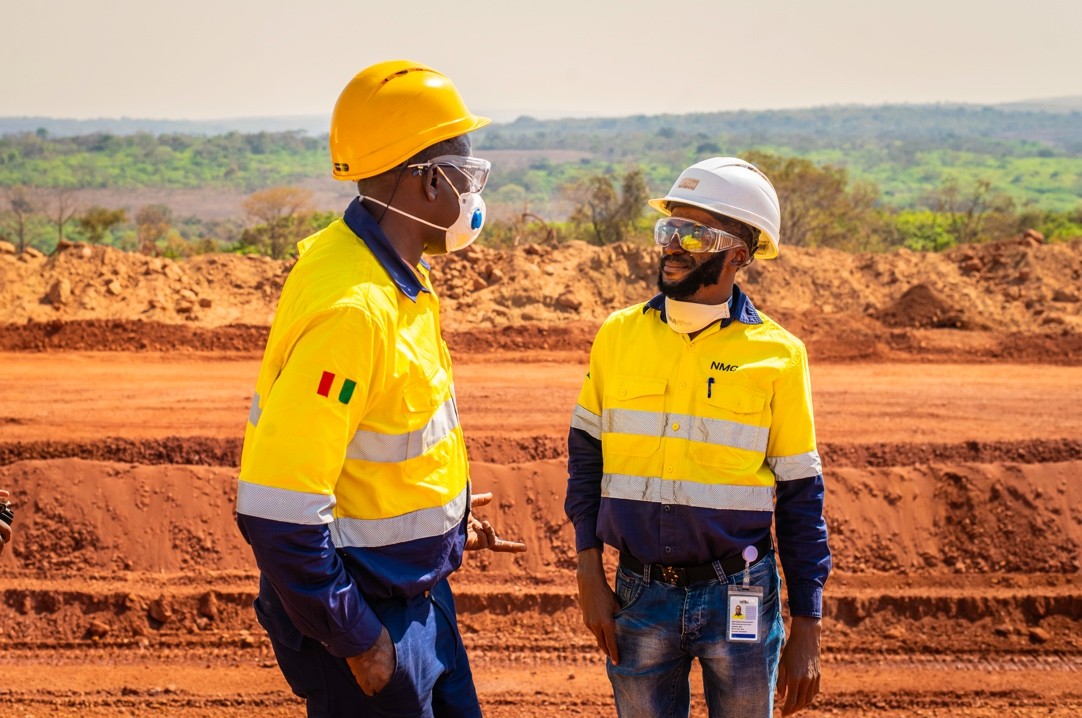
In July 2026, NMC reached one million hours worked without a workplace accident, restricted work or medical treatment. No accident has been recorded since the company was established.
At NMC, no production objective justifies compromising people’s safety. This principle was established from the restart of operations and guides the organization of activities, from the mine to the loading of vessels.
Prevention is the first line of defence. It is based on daily toolbox talks at the mining and port sites, regular awareness sessions on occupational risks, targeted training for high-risk activities such as working at height, confined spaces and the handling of hazardous products, and a mandatory safety induction program for every new employee.
The approach extends beyond the sites themselves. In 2026, NMC organized a road safety awareness week involving its employees, subcontractors and representatives of the Kamsar and Tinguilinta communities, under the patronage of the Sub-Prefect of Kamsar, including an accident simulation designed as a practical awareness tool.
Health is part of the same approach. Awareness workshops are organized on various topics, including HIV and the risk of food poisoning.
“At NMC, safety is not a constraint; it is protection. Our objective is clear: zero accidents. This safety culture is built every day in the field through risk anticipation, training and individual accountability.”
Djamilatou DIALLO — Safety Officer
Environment and Biodiversity
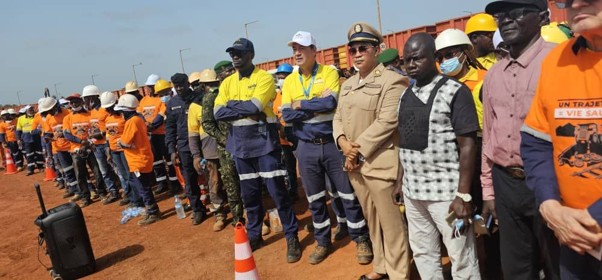
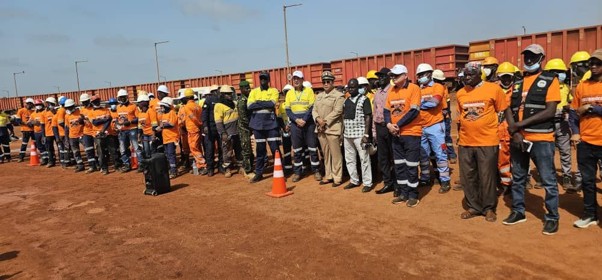
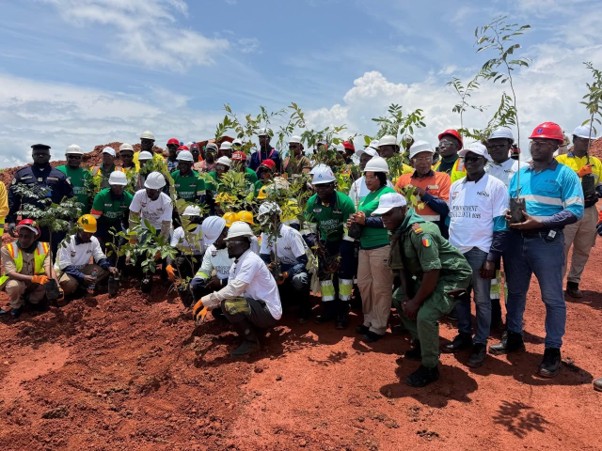
On August 14, 2026, NMC launched a reforestation operation in Tinguilinta involving 40,000 seedlings across approximately 50 hectares, and signed a commitment to reforest more than 1,000 hectares over the next ten years on plateaus affected by mining activities.
The operation was carried out under the patronage of the Ministry of Environment and Sustainable Development, in the presence of Mr. Moustapha Sylla, Chief of Staff of the MEDD, Mr. Seydou Cissé, Director of the Guinean Environmental Assessment Agency, as well as regional, local and community authorities.
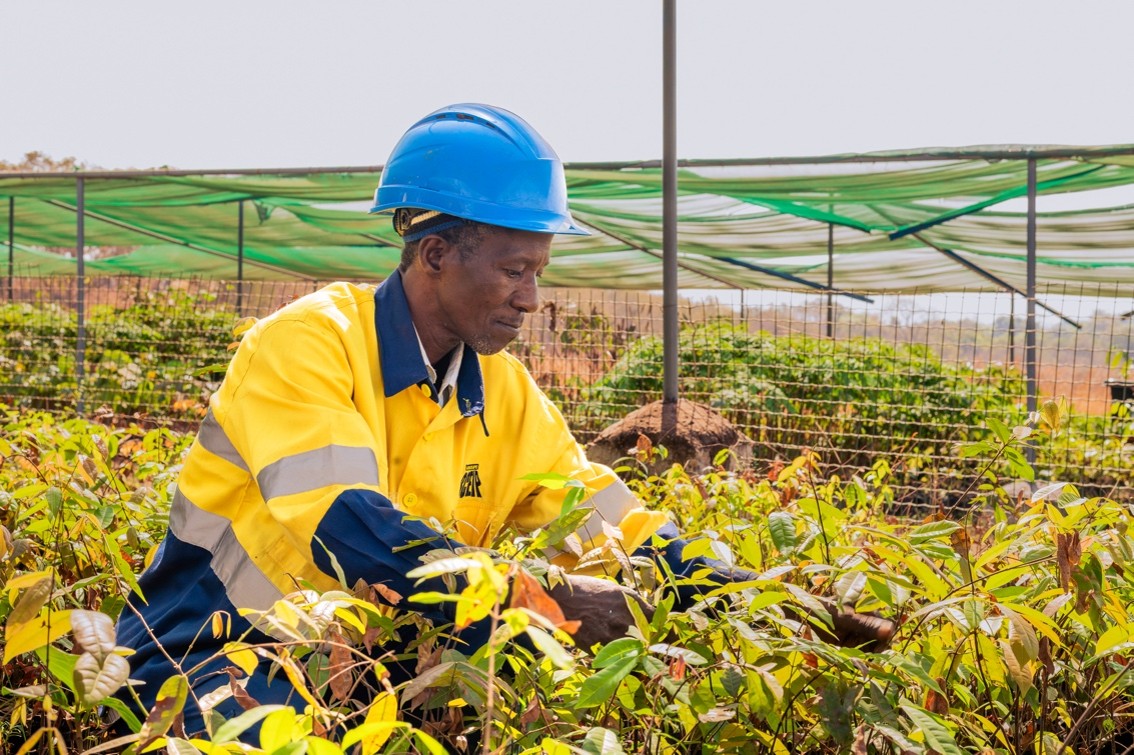
It builds on community nurseries developed with local populations, which have already produced more than 70,000 seedlings, and on the direct involvement of communities in planting and maintenance operations.
NMC prioritizes progressive rehabilitation carried out alongside mining activities rather than postponing it until the end of operations. Actions undertaken include restoring land after mining, reforesting affected areas and developing nurseries.
Protecting Biodiversity
Wildlife monitoring campaigns using camera traps, identification of sensitive areas to be preserved, and the establishment of buffer zones between mining activities, residential areas and water sources. Environmental constraints are integrated into mine planning through close coordination between the environmental, production and surveying teams.
Mitigating Impacts
Water management and protection of water resources, reduction of dust and noise pollution, monitoring of air and water quality, waste management and recovery of organic waste through a local pig farm, as well as prevention measures adapted to each stage of operations.
Mining Differently
The introduction of the Surface Miner on this mining permit enables more selective ore extraction and a significant reduction in dust, noise and vibrations, improving coexistence with nearby inhabited areas.
“Protecting the environment is an absolute necessity; it is not an option. This requirement guides the way we plan, operate and rehabilitate our sites. The environment is an integral part of our industrial decisions.”
Djenabou DIALLO — Environmental Supervisor
Human Capital
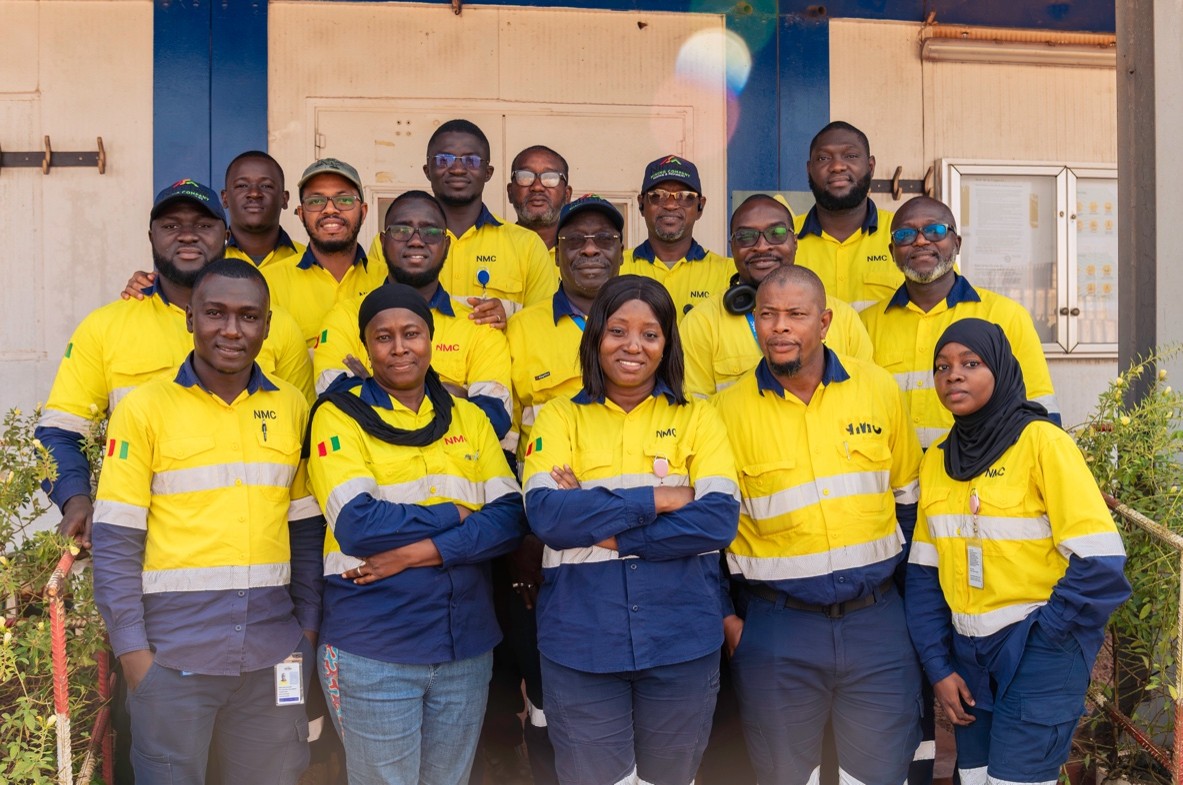
98 percent of NMC employees are Guinean, and the workforce will reach 450 people by the end of 2026. The mine, railway and port are managed by Guineans.
NMC’s industrial project is based on a conviction: sustainable performance depends on investing in national skills. From its creation, the company has made human capital a strategic pillar.
This approach translates into concrete decisions. In Kamsar, NMC brought the operation and maintenance of port facilities historically entrusted to a service provider back in-house, reintegrating eighteen Guinean technicians and their supervisor at the heart of operations.
From mining operations to supervisory functions, logistics, maintenance, the control room and support functions, activities are now carried out predominantly by national teams. This dynamic is supported by the mobilization of experienced former employees, the rapid advancement of Guinean professionals into positions of responsibility, and a proactive policy of skills transfer and consolidation.
NMC is making a deliberate bet on Guinea’s youth: the majority of the company’s executives and managers are under 35 years old.
“Our HR policy is ambitious, particularly in support of young people and women. This inclusion policy is based on a simple principle: equal opportunity, competence and merit, including in strategic industrial positions.”
Fatoumata CAMARA — Human Resources Manager
They make NMC: discover the women and men who keep the mining chain running in a series of profiles published on our LinkedIn page.
Join us: view our job opportunities.
Local Communities
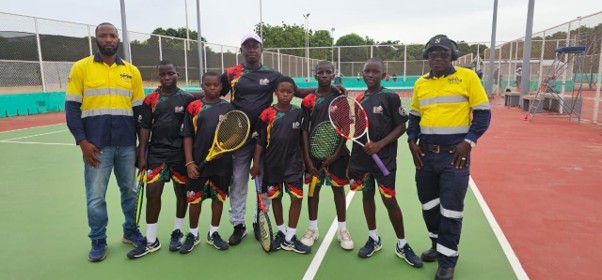
NMC develops its activities in a spirit of dialogue and partnership with neighbouring communities. Relations with local populations are based on listening, consultation and the search for shared solutions.
This partnership takes concrete forms: employing local workers, working with Guinean service providers and subcontractors, supporting community initiatives related to the environment and local development, and maintaining a regular field presence to ensure continuous engagement and follow-up.
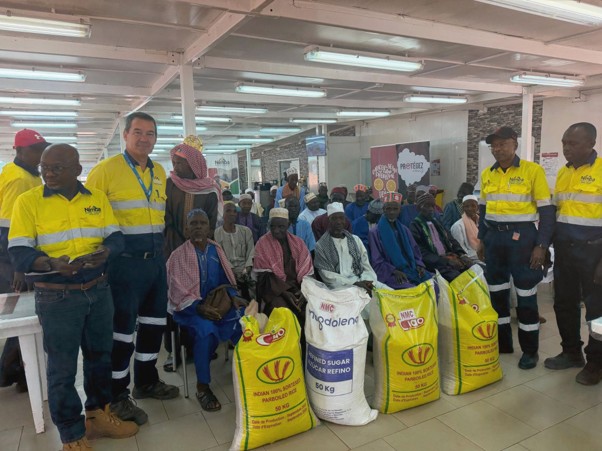
It also takes the form of specific actions rooted in community life. In 2026, NMC provided 186 bags of rice and 66 bags of sugar to communities located within its mining permit during Ramadan, at a handover ceremony organized in Tinguilinta in the presence of around fifty elders representing neighbouring populations. That same year, the company provided solar equipment to the Maison des Jeunes de Kawass during a ceremony attended by the Sub-Prefect and the Mayor of Kamsar.
The technical programs themselves incorporate this commitment. The exploration program launched in 2026 on the Tinguilinta plateaus is being conducted in accordance with ESG standards with regard to affected communities.
By strengthening the local integration of its operations, NMC contributes to creating an environment of trust conducive to sustainable and socially responsible mining.
Local Content and Economic Impact
Nearly 2,000 people currently work across NMC’s mining value chain, including subcontractor personnel. The company has set a target of 80 percent of purchases being made from Guinean suppliers.
NMC’s industrial model aims to maximize national economic benefits by embedding its activities within Guinea’s economic fabric and supporting the development of local value chains.
Employment is the first expression of this commitment. Beyond NMC’s direct workforce, subcontractors operating on site employ several hundred Guineans each, both at the mine and at the port.
Local content is not limited to volume. NMC contributes to strengthening the capabilities of local companies by progressively integrating them into the industrial standards of the mining sector. The mining subcontracting contract signed with IBS Group, covering drilling, extraction, transportation and crushing, illustrates this approach: it covers a minimum volume of 32 million tonnes of bauxite over five years and entrusts a Guinean company with a central share of extraction operations.
The exploration program of more than USD 2 million launched in 2026 on the Tinguilinta plateaus relies exclusively on Guinean subcontractors.
With 1.7 trillion Guinean francs in direct annual spending in the country, NMC asserts its role as a national economic driver.
“Our priority is to work with Guinean companies and support them in meeting mining sector standards. Local content is not an administrative obligation; it is a driver of performance and value creation for the country. We aim for 40 percent of purchases to be made from local suppliers.”
Diakariou DIALLO — Procurement Superintendent